Mexican Chocolate Pudding Cake
This is a low-gluten, vegan version of the old fashioned “pudding cake” recipe, in which you mix the base batter up in a baking pan, sprinkle with sugar and cocoa, top with boiling water and bake. As it bakes, it separates into a bottom pudding layer and a top cake layer. Ugly, but super simple and homey and fun! Serve warm in bowls with freshly whipped cream or cashew cream to evil it up!
Mexican Chocolate Pudding Cake – Serves 6
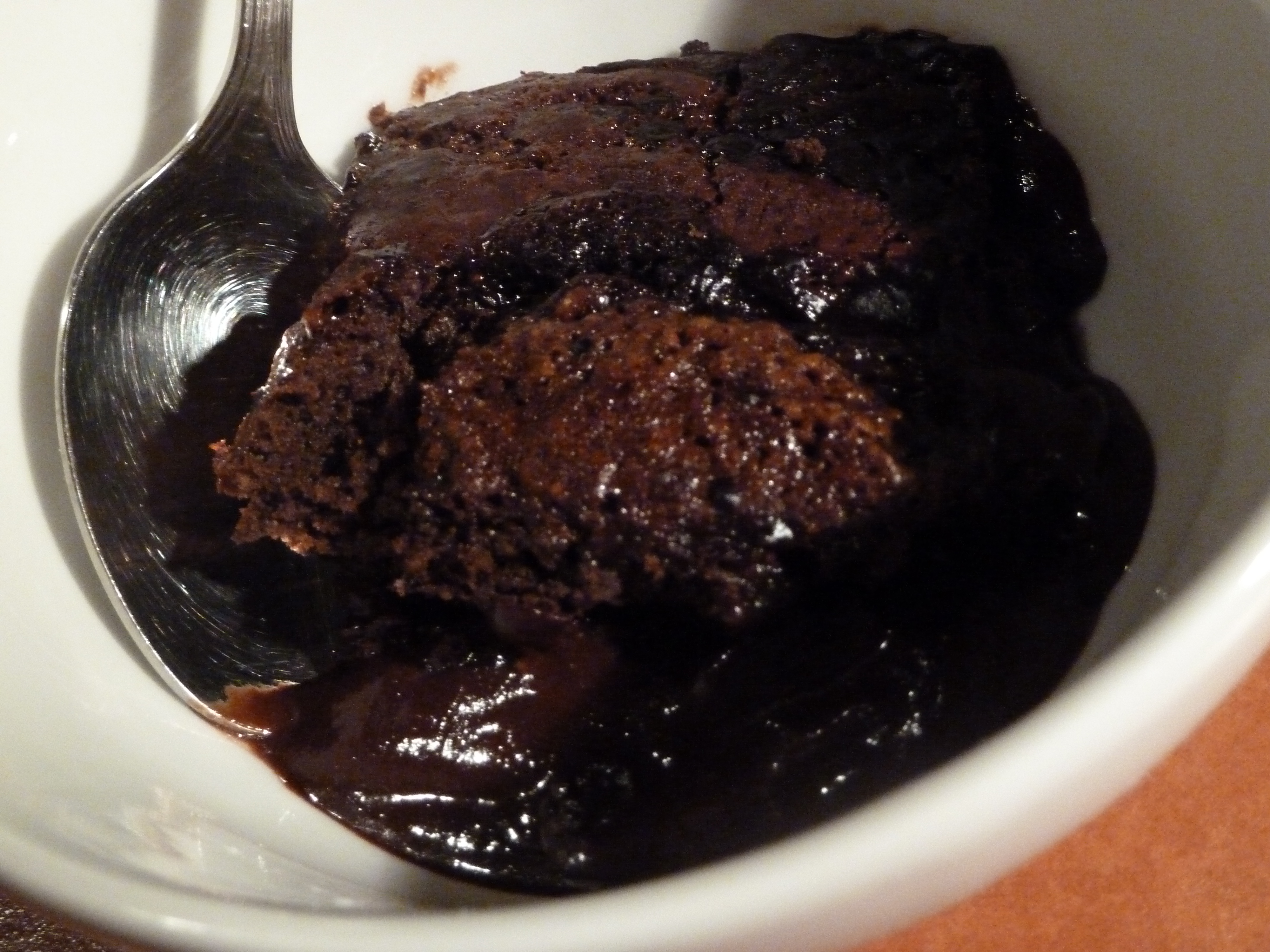
Chocolate Pudding Cake
- 3/4 cup barley flour (can also be made with wheat flour)
- 1 t cinnamon
- 1/4 cup unsweetened cocoa powder
- 1 1/2 teaspoons baking powder
- 1/2 teaspoon salt
- 1/2 cup almond milk (or any other liquid)
- 3 tablespoons oil (preferably coconut)
- 1/2 cup honey/agave (or sucanat, coconut or palm sugar)
- ½ t almond extract
- 1 t vanilla extract
Pudding Layer:
- 1/2 cup sucanat, coconut sugar or palm sugar
- 1/4 cup unsweetened cocoa powder
- seeds from 1/4 a vanilla bean, or 1/2 t vanilla
- 1 1/4 cups boiling water (or coffee, for a mocha twist)
- pinch salt
Preheat oven to 350 degrees.
In an 8×8 inch square pan, stir together the flour, almond meal, 1/4 cup of cocoa, baking powder and salt. Add ½ c honey/agave or sugar, milk, vanilla, cinnamon and oil. Mix together completely, scraping sides of pan and spreading batter evenly on bottom.
Add the “Pudding Layer”: Sprinkle brown sugar (or sucanat, or coconut crystals) and remaining 1/4 c cocoa powder over the batter. Add the vanilla and salt to the hot water, then pour the water over the top. Do not mix! Just pop in the oven as it is.
Bake for 20 to 30 minutes in the preheated oven, until the surface appears dry and brownie-like and the pudding bubbles along the sides of the pan. Serve warm, spooning cake and pudding layers into bowls.
A Note on Chocolate: I used the traditional combination of chocolate, almonds and cinnamon in this recipe becuase in Costa Rica the cocoa powder has an odd fruitiness which needs a more complex combination of flavors to mask it. However, if you are using a high quality cocoa powder, ( and I highly recommend the 22-24% from MySpiceSage.com) you can make a great “Straight-up Chocolate” version, or add hot coffee in the pudding layer for Mocha, or leave out the cocoa powder in the cake layer and do a “Black and White” version, with the almond cake and chocolate pudding. Mmmm….
Eating Fresh Chocolate with the Bribri
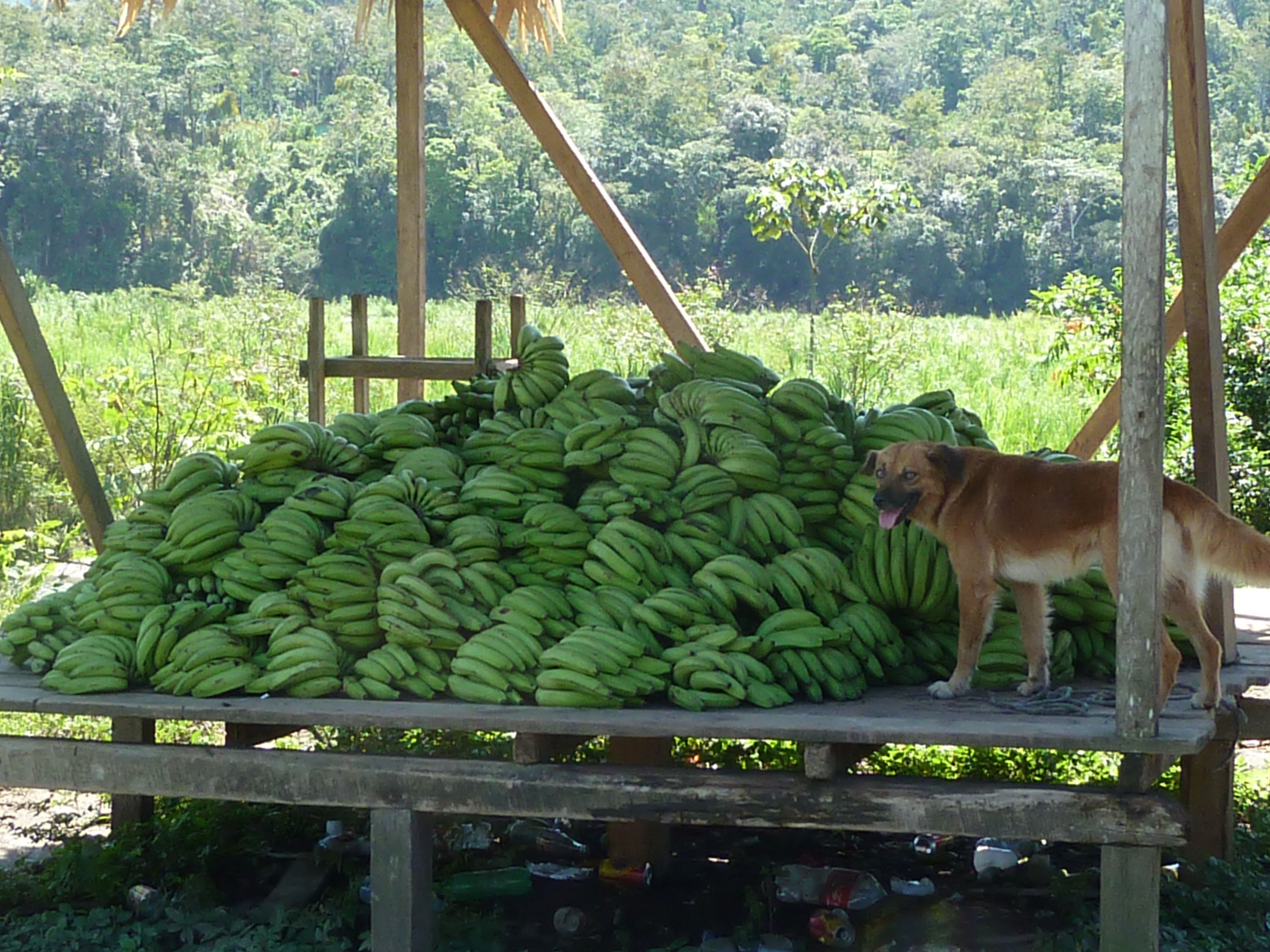 Costa Rica is a really interesting place, food-wise. There are a number of paradoxes. They have so much edible exotica hanging from the trees here, plus hundreds of varieties of coconuts and palms, cocoa and banana trees growing wild everywhere, and almond trees lining all the beaches… yet it’s extremely difficult to get coconut oil anywhere or any kind of natural sweeteners including palm or coconut sugar, nuts are mostly imported and extremely expensive, and the unsweetened cocoa powder (when you can find it) is strangely fruity and does not resemble anything we have in the states. That being said, I just had the coolest chocolate adventure ever…
A few days ago I had the amazing opportunity to visit the Bribri Indigenous Reserve in the Talamanca, or “blue mountains”, right on the border of Costa Rica and Panama. To get to the village, we traveled almost an hour into the mountains, sometimes stopping to push the truck (and other vehicles) across the flooded roads, and then another hour upriver in dugout canoes. It had been raining hard the day before so the river was high, and full of flocks of yellow butterflies, with white and gray herons fishing alongside the banks everywhere.
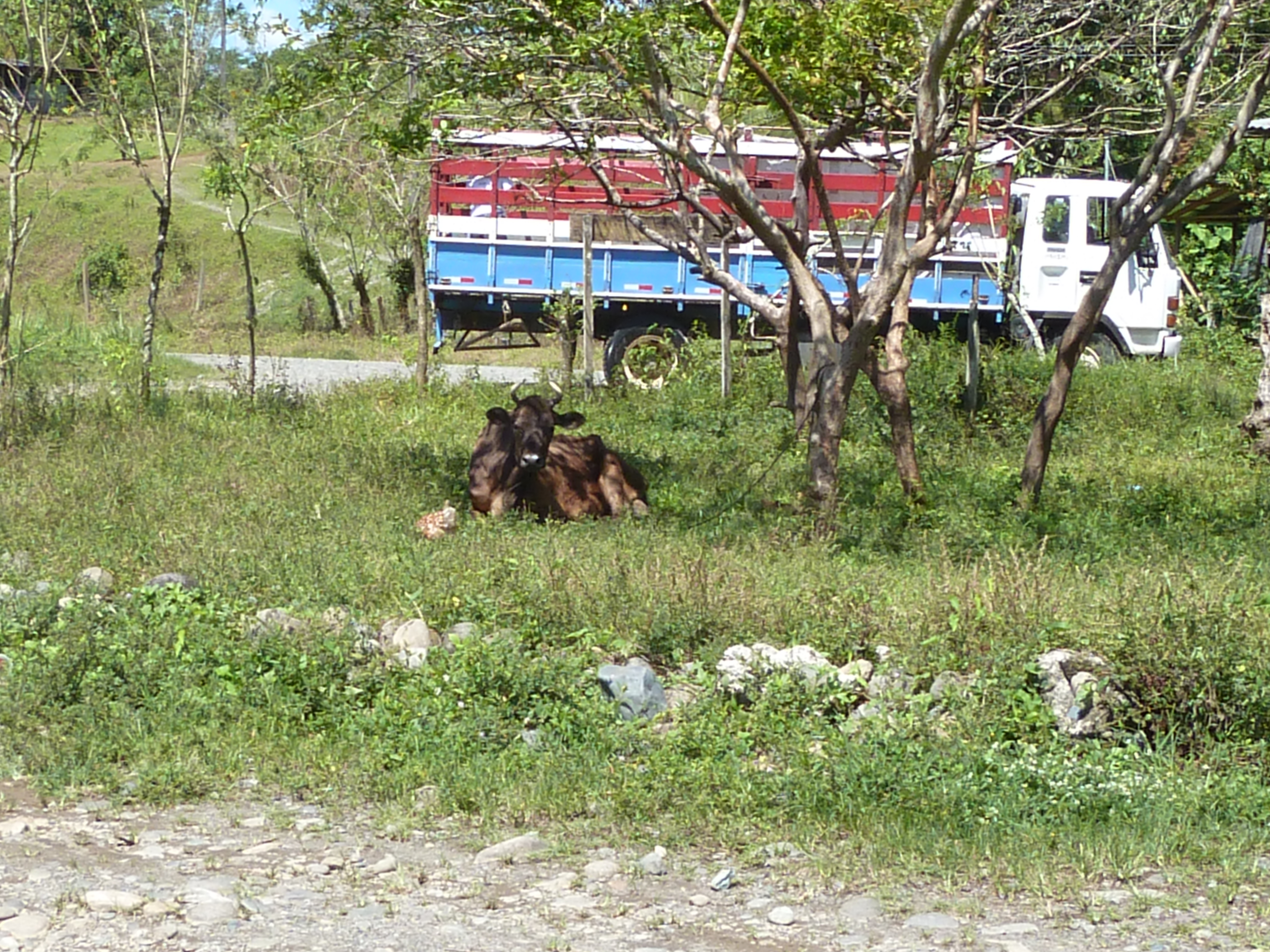
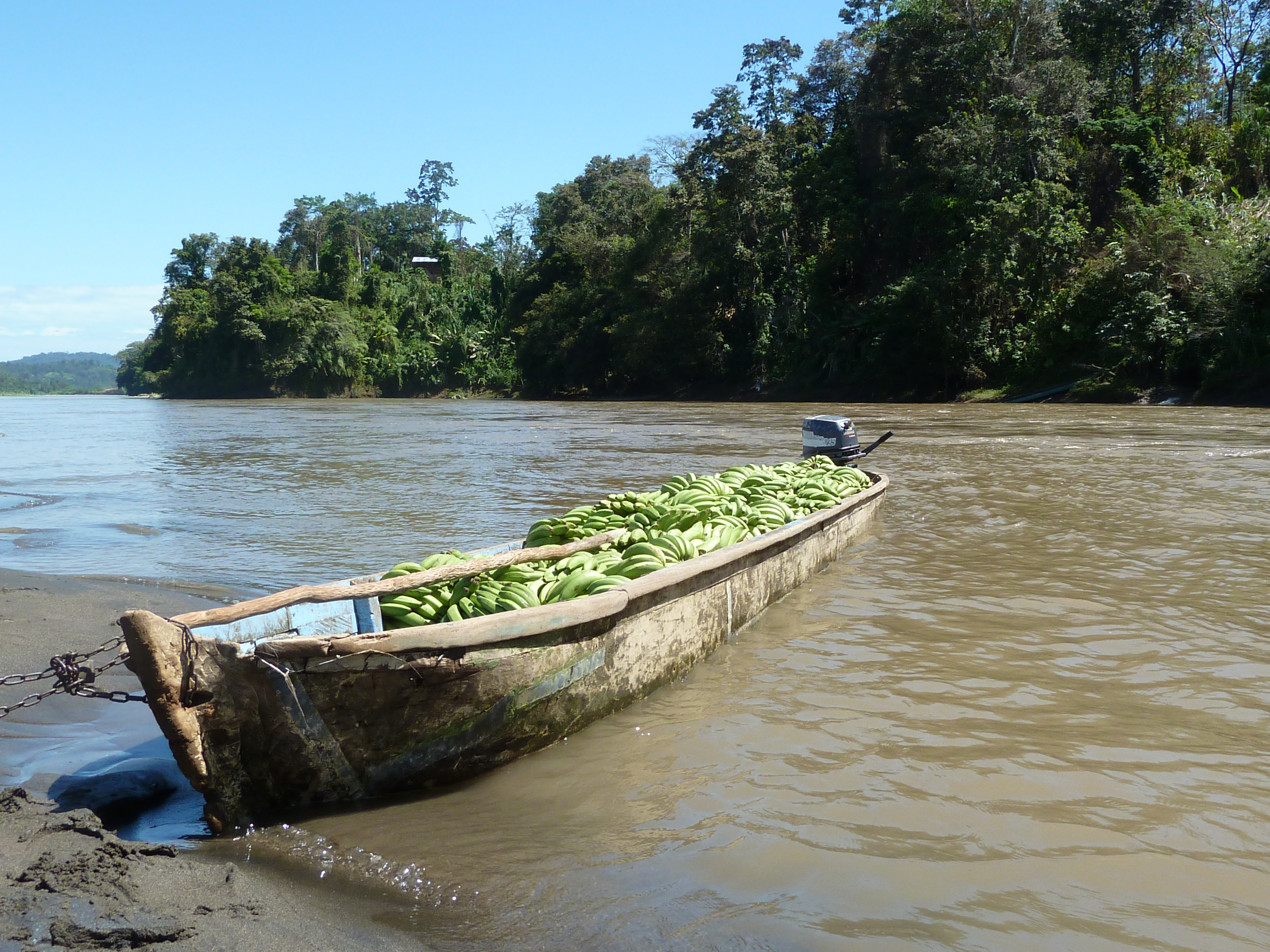

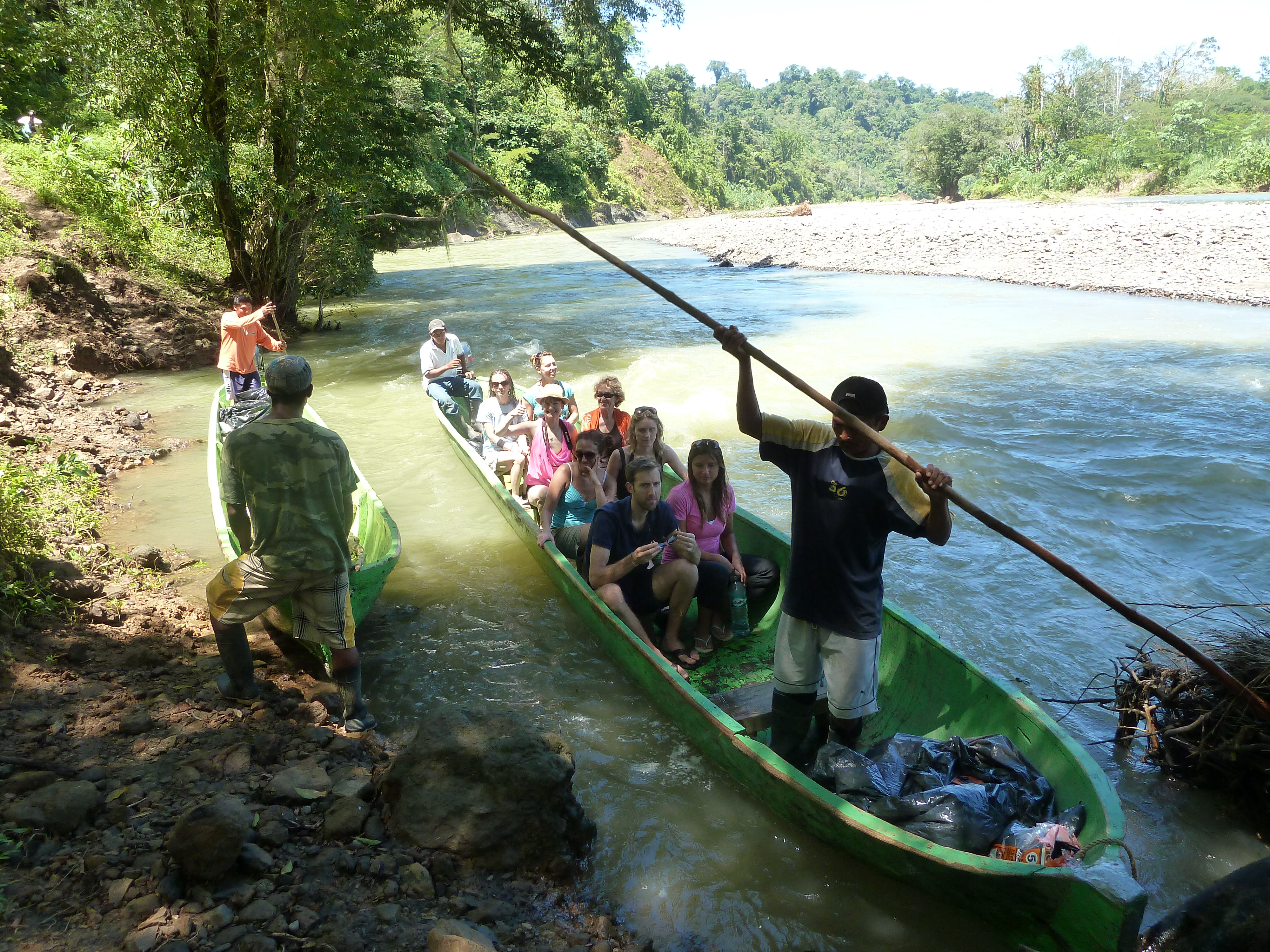
The Bribri are Costa Rica’s largest indigenous group, and while there are only 10-15,000 people left, from what I could see they seem to be gracefully navigating a delicate balance between modernization, change, and maintaining the cultural preservation of their community and local culture. The story goes that the men of the community spent most of their time working in the banana plantations, and, as happens, the money wasn’t exactly coming back home with them when they returned. So the women, realizing that they needed to take things into their own hands, formed a council of leaders and began to organize educational tours of their community. These tours are unique in that they are highly organized but wonderfully informal. You never feel like a tourist, you feel like you have been personally invited to experience a small slice of the Bribri life… their life. For real.
 When we pulled the canoes back onto shore, we were met at the boat by one of the local women leaders, Priska, who toured us through the Bribri primary school, showing us their new kindergarten and the health clinic, and then down a dirt sunlit path past their new secondary school which was build last year and just graduated its first group of 12 students. There are no cars, not even bicycles here, and the buildings are built lightly, on stilts, out of bamboo and rough unfinished wood. They are beautiful.
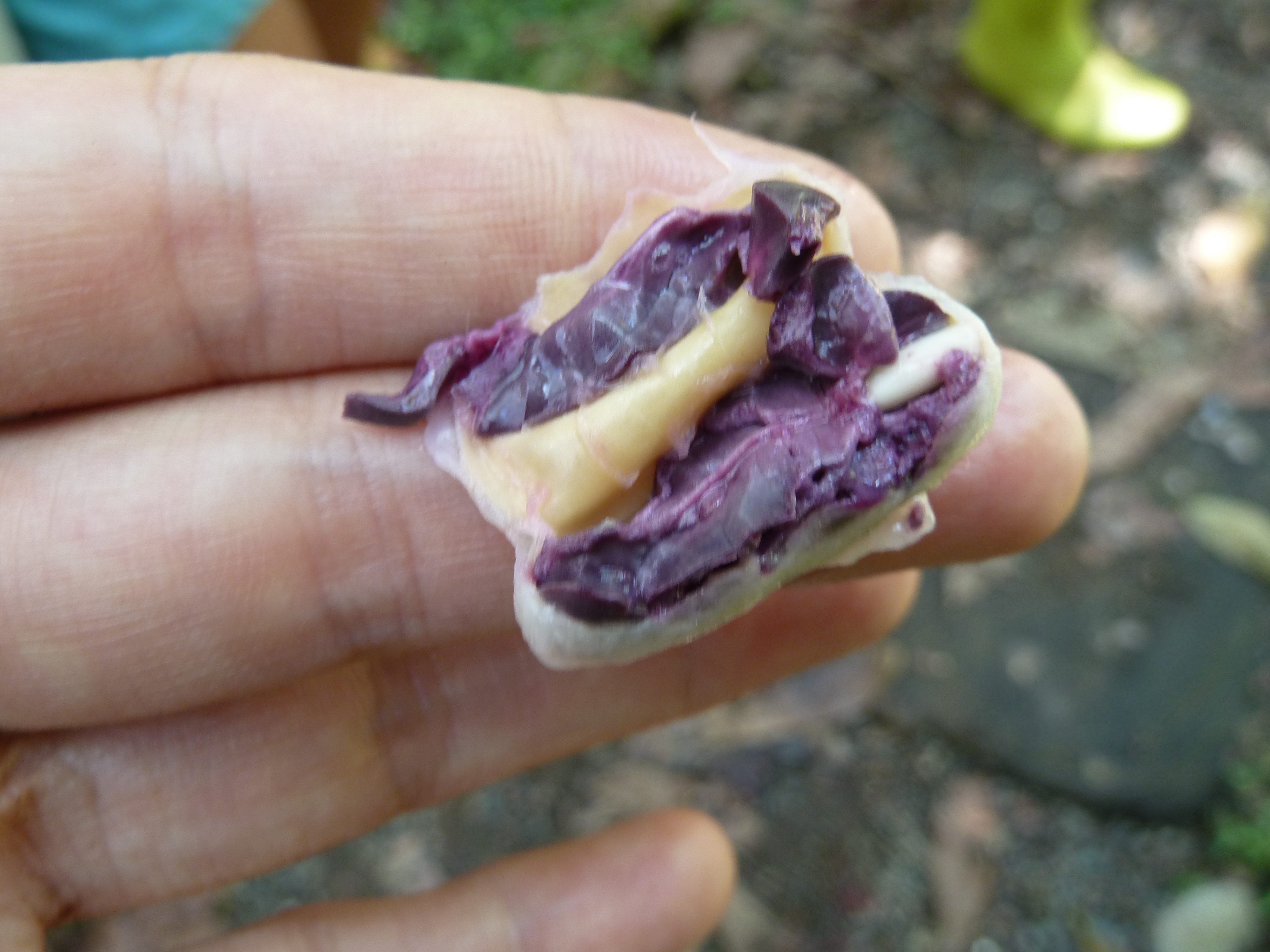
As we continued along the path I realized we were walking through acres and acres of cocao trees, and that there were cacao fruits hanging everywhere! Marcello, who is the co-owner of the Goddess Garden, has a close relationship with the Bribri and he and Priska picked fruits from the trees and cracked them open on a rock by the side of the path, sharing the soft white meat and purple seeds with us. My chocolate adventure had begun!


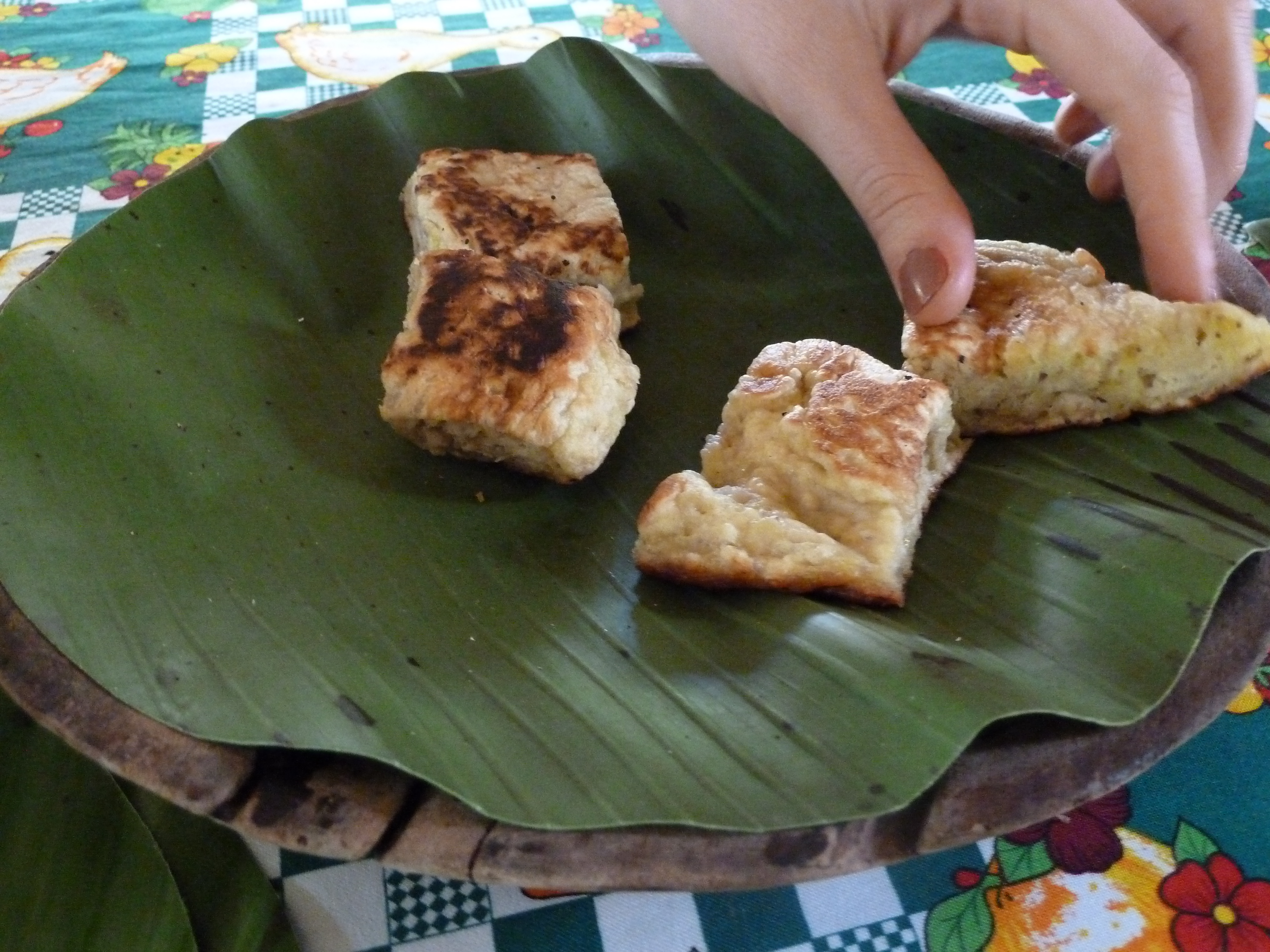 We arrived at a simple wooden “restaurant” a short while later, and were met with cold fresh limeade and warm banana pancakes on banana leaves. Yumm. After, we all made our way down to the river for a swim, trailed happily by a troupe of brown naked children who jumped in with us and cut like fish through the strong current. After a swim and a short bake on the river rocks, we made our way back to the restaurant for lunch. Lunch was vegetarian – it is usually chicken or fish, but Marcello called ahead and told them they could save the chicken – and it was fairly standard Costa Rican fare: white rice, black beans, some sort of refried beans, and a mixture of veggies including green platanos and tiquisque which was simple and tasty. Plus a little spaghetti (..!?) and a pile of boiled fresh hearts of palm, which was totally delicious.
Afterwards, one of the younger girls of the village, Daisy, joined us at the table and gave us a bit of history about the community and took our questions. Apparently, both schools, the clinic, and the big suspension bridge over the river we were swimming in have all been built from money earned from tour groups like ours, but the Bribri only accept 700 visitors a year because any more people would “keep them from doing what they want to do”. I love that. I wish I had asked them what they want to do, but I suspect it is just to live their lives…
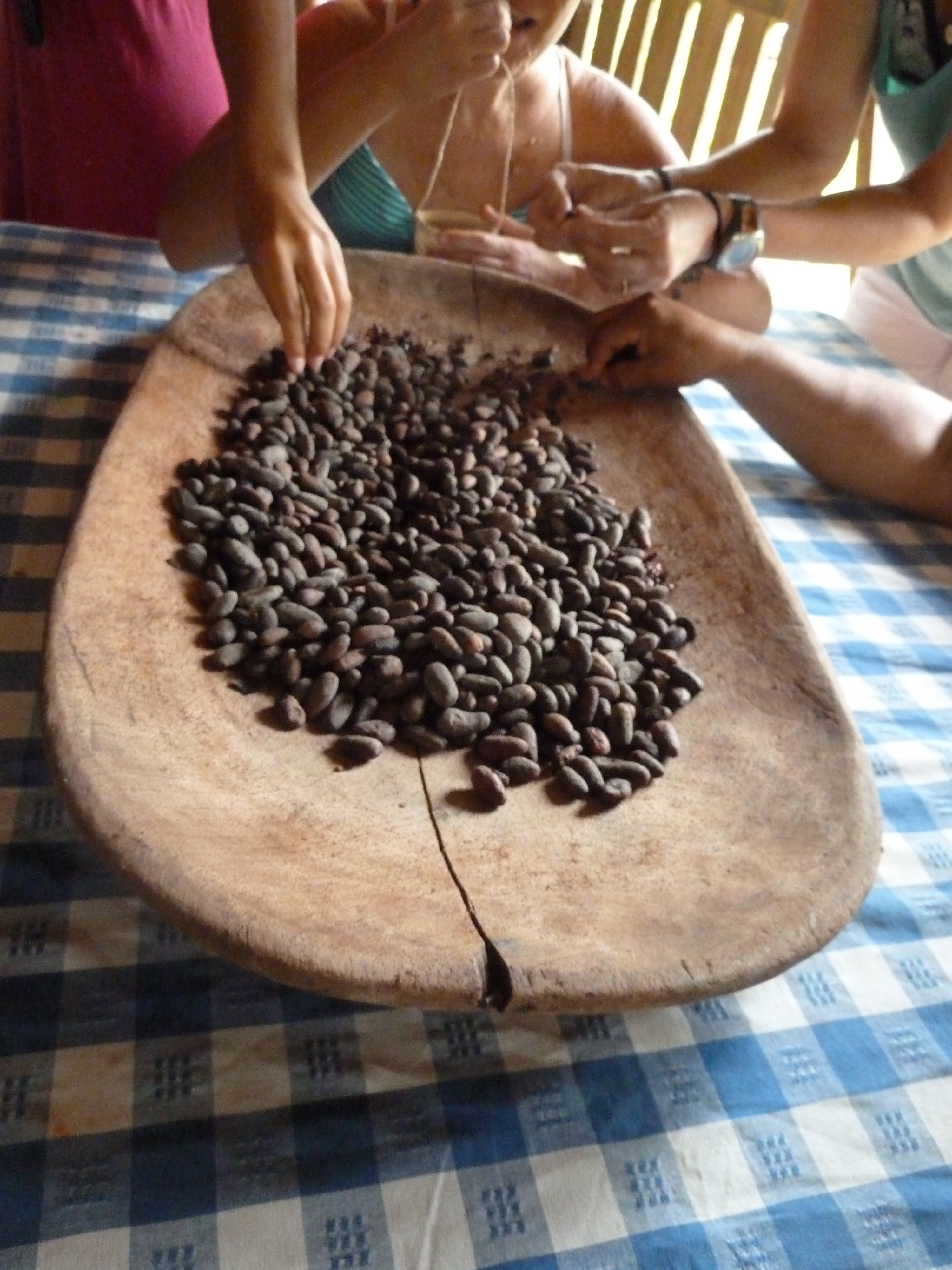 At this point, the smell of roasting chocolate was too strong to ignore. One of the women brought from the kitchen a large wooden bowl of freshly roasted cacao beans which we were all invited to taste before she began to crush it with a huge stone. Several of the visitors took turns crushing the chocolate, and then one of the local girls – Felicite, the resident expert – flipped the bowl a few times, spinning the beans into the air and deftly removing all the chaff from the cacao. I wish I had tried that – she made it look easy but I am sure it was not. At this point the still warm cocoa beans were fed slowly into a hand grinder and pulverized to a thick, gooey paste, and apparently I was the only one in the group that thought this was delicious (it was a lot less bitter than the unroasted cacao I use at home!). She then whipped out a small can of sweetened condensed milk, combined it with the cacao paste, and passed out pieces of banana for us to dip in it while the children ran off with the condensed milk can. Everyone was happy.

I have to tell you that the reason I was there in the first place is becuase Marcello and I have been talking about doing a cookbook here at the Goddess Garden, featuring my vegetarian recipes and highlighting the local and indigenous food of Caribbean Costa Rica and the Bribri in it. We had also been speaking about the Bribri diet, which I understood not to be so healthy. So I was here in the village to see all of this for myself. And I have to say, even though the women looked a bit heavy, I thought they all looked more solid and wholesome than truly unhealthy. Sitting there with them, eating roasted cacao, mixed with sweetened condensed milk, on a freshly picked banana… another interesting paradox of Costa Rica was coming into focus.
 Also, I have to show you the kitchen, which gave me a whole new appreciation for “wood stove”. The stove they cook on is actually built out of wood, with a couple of cinder blocks and two metal to put pots on. There is no electricity, except for a small amount of solar, no refrigeration, and the sink drains directly into a small ditch, which no doubt leads off into the jungle somewhere and down to the river. But given all of that, it had the vibe of a professional kitchen and I felt completely at home there.
Marcello had arranged for me to speak privately with Priska and some of the other women – I wanted to know what the typical meals are, and what their special traditional dishes are, whether they use any natural sweeteners like palm sugar or dried cane juice, what they grow and what they harvest, whether they grow their own rice and beans, etc. It quickly became clear that I would have to spend more than one day there to get any kind of understanding of their lifestyle. Marcello and Priska spoke about working with me to explore ways I may be able to help them improve their own diets a bit, and how I might also help them provide some extra sweets and snacks to sell to the visitors to take home with them. I would have to come back speaking Spanish…which I promised to do.
Part of the paradox is how un-opportunistic people are in Costa Rica are, in the midst of so much natural abundance. And although I can feel my own hyper-opportunistic American nature by contrast, I do think some sort of gentle “cultural exchange” would be really interesting and could be helpful to them as well. But more than anything I came away humbled by what they are able to pull off in that simple kitchen, and by the quiet dignity of these women, and I think it would just be a gift to be able to spend more time with them – an opportunity to understand them and their way of life.
Spanish Tortilla… with a twist
This is a combination of the French Pommes Anna and a Spanish Tortilla, and it can be made with or without eggs. I served both vegan and non-vegan versions yesterday with Gazpacho Andaluz thought it was the perfect lunch, especially in the hot Costa Rican climate. However…it would also be fantastic with any hot soup on a subzero day!
Spanish Tortilla, Pommes Anne Style – Serves 10

Big Spanish Tortilla...Serving 21
- 10 medium sized red potatoes, or 20 small
- 3 T olive oil
- 1 T salt
- 1 t pepper
- 1T fresh rosemary, minced
Egg Mixture (optional…leave out all below if making the vegan version):
- 5 eggs
- 1/4 c water
- 1 T chopped parsley
- 1/4 t Tabasco, or other hot sauce
- pinch of salt and pepper
Preheat oven to 375°. Line a cast iron or other oven-proof heavy-bottomed skillet with aluminum foil, coming up sides of pan at least 2 inches. This will allow you to flip the tortilla out of the pan and onto a serving platter easily after it is baked. Oil the foil and sides of pan with 1 T olive oil and sprinkle very lightly with sea salt.
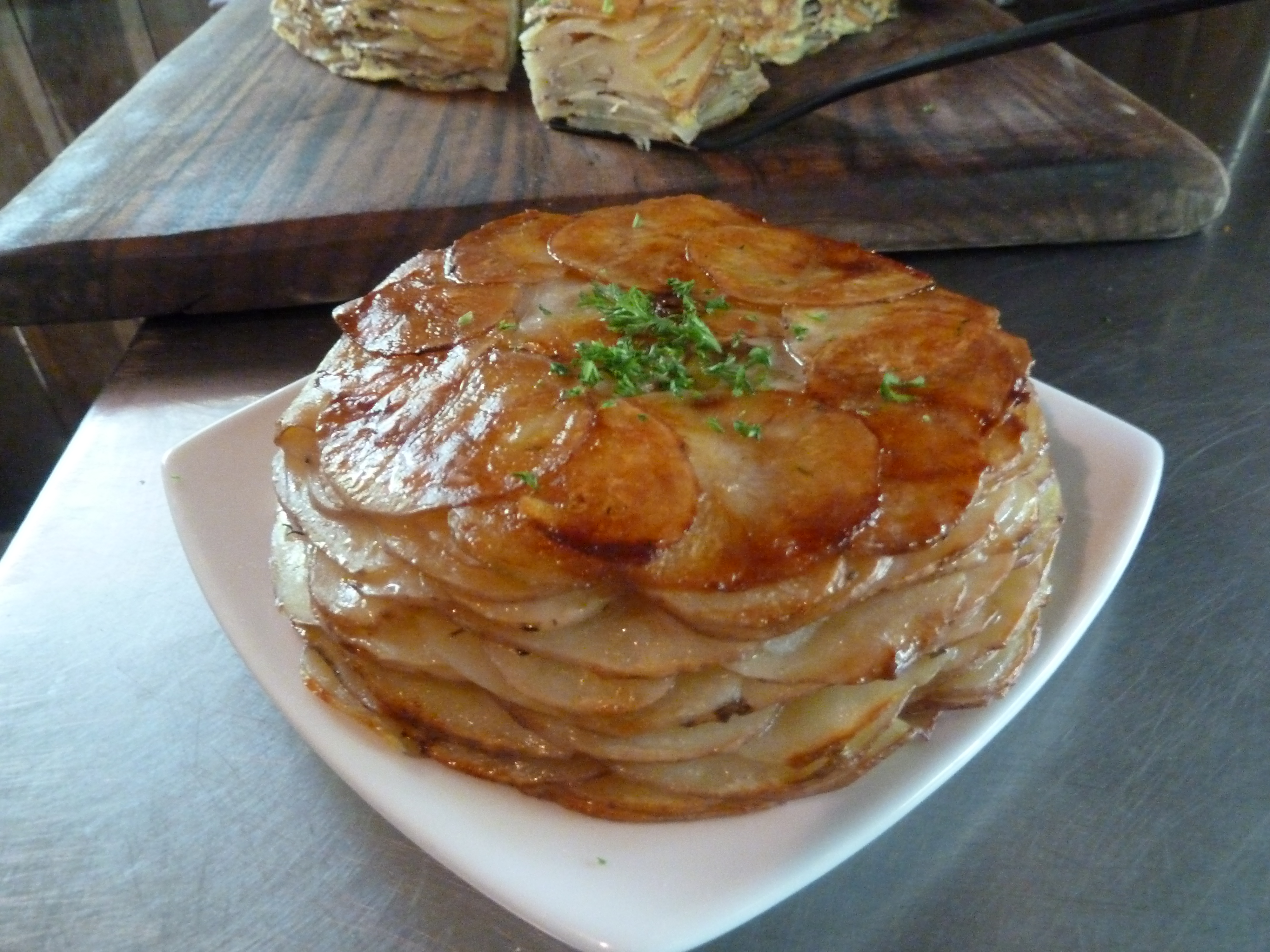
Mini Vegan Version... serving 5
Slice the washed but unpeeled potatoes thinly and evenly into 1/8 inch slices, ideally using a mandolin or sharp knife. Hold in cold water for at least 15 – 20 minutes, then drain well and dry lightly with a clean towel.
In a large bowl, combine potatoes with remaining 2 T olive oil, salt, pepper and rosemary, using your hands to toss and gently coat each slice. Place a nice round slice in the center of your aluminum-covered skillet and begin to fan potato slices from the center out, overlapping each slice about 1/4 inch so you end up with a single solid layer of spiraled potato slices right to the edge of the pan. Repeat this one for one more layer and then you can cheat a little on the rest – spreading them gently into the pan, with or without spiraling them, but making sure you get nice even layers without holes. Be careful not to dislodge your artfully spiraled bottom layer while you pile the rest on!
Cover with aluminum foil and bake for 30 – 40 minutes or until a fork glides through the potatoes easily when pricked. If you are dong the vegan version, place back in the oven and continue to bake for 10 – 15 minutes more, until top is firm and just starting to brown a bit.
For the non-vegan version, beat together eggs, water, parsley, Tabasco, salt and pepper. Pour over potatoes evenly and return to oven for 10 -15 minutes more, just until eggs are set and top is dry.
Allow potatoes to cool for 10 minutes in the pan before you flip them out onto a serving plate. Carefully remove aluminum foil from top and cut gently with a sharp serrated bread knife. Enjoy!
Moroccan Chickpea Tagine
Jamie Oliver calls Tagine “a sort of stew with attitude”… which sums it up pretty well, I think. “Tajine” is actually the Berber word for the earthenware pot this stew is traditionally slow-cooked in, but any heavy-bottomed pot will do the trick. While there are endless varieties, Morrocan Tagine is typically made with lamb, chicken and vegetables, dried fruits, cinnamon and other spices, and served over couscous. Replacing the meat with chickpeas and eggplant makes for a completely satisfying and delicious stew which in the hot Costa Rica climate, we served over a room temperature barley and toasted almond pilaf.*
Moroccan Chickpea Tagine – Serves 6

Moroccan Chickpea Tagine
- 3 tablespoons honey
- 1 tablespoons ginger, minced
- 8 sundried tomato halves, soaked in 1/2 c water
- 1 lemon, juice and zest
- 2 teaspoons paprika
- ½ teaspoon salt
- ½ teaspoon pepper
- 2 teaspoons cinnamon
- 3 tablespoons olive oil
- 1 eggplant, cut into 1” pieces
- 2 sweet potatoes or purple yams, cut into 1” pieces
- 1 onion, cut in 1” pieces
- 1 tablespoon garlic, minced
- 2 fresh tomatoes, cut into 1” pieces
- 2 red and/or yellow peppers, cut into 1” pieces
- 3 tablespoons dried currents or chopped raisins
- 1 cups cooked chickpeas, drained
- ¼ cup cilantro, chopped
Combine honey and ginger in a blender and blend on high until smooth. Put ginger-honey mix aside. In same blender, blend sun-dried tomatoes with lemon and spices until smooth.
In a deep heavy bottomed casserole or stew pot, heat one tablespoon of oil and add eggplant, stirring quickly to coat. Cook for 5 – 10 minutes, stirring occasionally until eggplant cubes begin to sear and tenderize slightly. Remove from pan.
Saute onions in remaining 2 T oil and a pinch of salt until translucent, add garlic and saute for 5 – 10 minutes until mixture begins to caramelize slightly. Deglaze pan with a tablespoon or so of water if needed.
Add sundried tomato sauce, fresh tomatoes. Bring to a boil on medium heat and add sweet potatoes. Cover and simmer 20 minutes, stirring occasionally until potatoes are just tender.
Add peppers, eggplant, chickpeas, currents and half the honey-ginger mixture. Check for salt and pepper and adjust as needed. Simmer gently, covered, for 45 minutes to an hour, stirring occasionally to make sure all the veggies get immersed into the sauce. Remove from heat, stir in remaining ginger mixture and cilantro and serve with cooked couscous, barley or quinoa.
* A Note About Barley: Barley has a wonderful chewy bite which I prefer to couscous, and although there is a small amount of gluten in barley, it is apparently a different type and more easily digestible than wheat gluten so could be a better choice for those who are not celiac or highly gluten sensitive.
Raw Pad Thai with Young Coconut “Noodles”

The Farmer's Market in Limon
Like the Raw Lasagna, my Raw Pad Thai recipe is also an adaptation from Russell James’ original recipe. (If you haven’t already – sign up for his email list to get the original emailed to you). This recipe is extremely flexible so use what you have on hand. I made this one with tahini because for some reason that is available here but also have made it with almonds, almond butter, and peanuts and it’s great. I used raw bok choy which I was lucky to find in the farmer’s market in Limon and love the combination of that with the arugula, but napa cabbage is great too, and of course if you can get mung bean sprouts (I can’t) then that would add a more Pad Thai touch to the recipe.
Young coconuts and tamarind are easily available in this part of Costa Rica, but you may have to do a bit of sleuthing to find them in your home town. Look for Tamarind Paste in your local Hispanic market (ask for Tamarindo) and both tamarind paste and young coconuts, or “white coconuts” can often be found in the produce section of Chinese or Southeast Asian markets, and in some high-end markets like Whole Foods. You can also ask your local health food store to order you a case of young coconuts – they come 9 to a box – and then cut them all open and freeze the meat and juice to have on hand all the time. I love young coconuts! This is just one of the many ways you can use them.
Raw Pad Thai “Noodles” and Vegetables – Serves 4

Young Coconuts
- 2 – 3 young coconuts
- 1 ½ cups arugula, torn into 3′ pieces
- 2 carrots, ribboned with a vegetable peeler
- 1/2 red bell pepper, julienned
- 4 cups young bok choy, sliced thin on diagonal
- 1 spring onions, sliced thin on diagonal
- 8 basil leaves, chiffonade
- 4 tablespoons cilantro, roughly chopped
Pad Thai Sauce
- 1 oz tamarind paste (or 2 dried apricots, one date, plus 1 T lemon juice)
- 3 T palm sugar, or coconut crystals, or sucanat
- 1 T red miso
- 1 t sesame oil (leave out if using nuts instead of tahini)
- 4 sundried tomato halves, soaked
- 1 tablespoon rice vinegar
- 1 tablespoon soy sauce
- 1 t dulse flakes or kelp powder (optional)
- 1 teaspoons ginger
- 1 teaspoons garlic
- 1 tablespoon lime
- 1/2 jalepeno, seeded and minced
- 6 T tahini
Make Sauce: Combine all sauce ingredients in a Vitamix or other high speed blender and blend until smooth.
Prepare Noodles: Cut open the top of the coconuts with a large sturdy cleaver over a large bowl, being careful to capture the juice. (Use juice for another purpose… like drinking!) With the back of a spoon, gently work out large pieces of the white flesh from the inner shell. (If you are new to this, Dr Ralph gives a thorough video intro to coconut whacking here). Slice the meat of the coconut in to long, fettuccine-like pieces.
Assemble Pad Thai: In a large bowl, toss together all vegetables, reserving a pinch of basil and cilantro for garnish. Pour 1/2 sauce over vegetables and massage gently with your hands to coat well and soften vegetables. Add coconut noodles and toss gently, adding some or all of the remaining sauce to taste. Allow to sit for 1/2 – 1 hour to allow flavors to combine and serve with a sprinkle of herbs and a slice of lime.
Hello from Costa Rica!
As many of you know, I am currently in Costa Rica, working as a chef for two 3 week Yoga Teachers’ Trainings with Vidya Heisel.
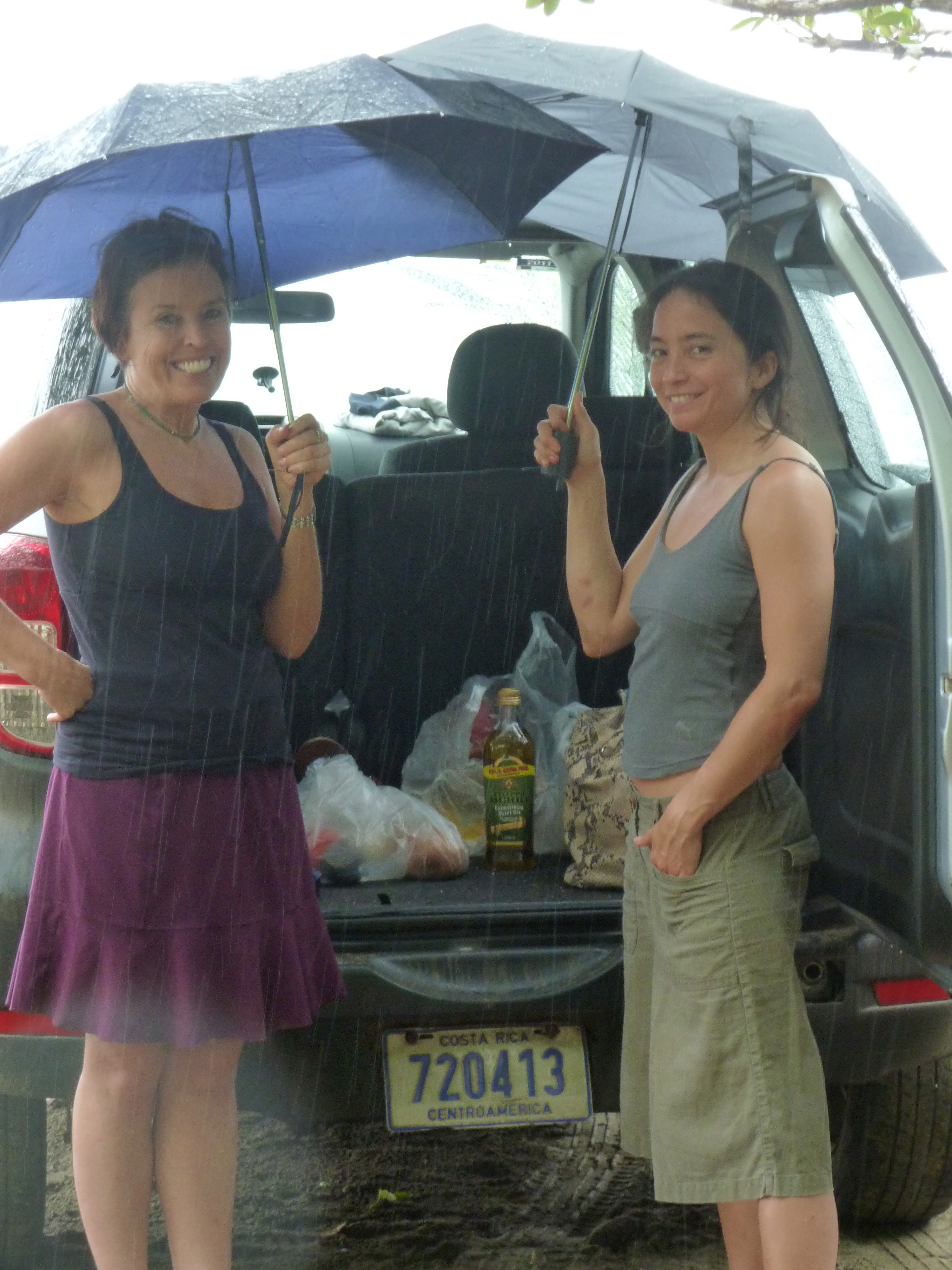
Hello from Costa Rica!
The Southern Caribbean side of Costa Rica is amazingly tropical and full of wildlife and exotic fruits and vegetables so I have been having a great time learning about all those odd looking hairy tubers they have here, and trying to figure out what to do with the huge and almost vegetable-like jackfruit and breadfruit!
Interestingly, despite the fact that there seem to be fruits and vegetables dripping off the trees here, there does not seem to be a deep food culture in Costa Rica. Especially for vegetarians. Gallo Pinto – which is rice and beans – and fried plantains are what you get…so after doing quite a bit of research on “traditional” Costa Rican cuisine, I opted to get my hands on as many local and indigenous fruits and veggies as I could get, and incorporate them into a more international menu. I am working with Tracy Morrisette, the Goddess Garden’s excellent new chef, who is making fantastic inroads with the gardeners and local area farmers, so I never know what is going to get dropped off in the kitchen these days! Sometimes its some strange hairy tuber, sometime a bright red fruit with inner meat that looks like a little yellow brain…
Here is a list of some of those crazy wonderful fruits and veggies I am working with, in addition to the daily supply of young and mature coconuts and many varieties of bananas that come from the trees on the Goddess Garden property
- Carambola or “Starfruit”: (from Goddess Garden trees) a tart succulent fruit which looks like a star when cut. We use in dressings, juices and marinades.
- Wild Grapefruits, Wild Limes and Sour Mandarins (from Goddess Garden trees) – interesting varieties of citrus are everywhere.
- Naranjilla:(from Goddess Garden trees) this looks like a cross between a tomato and a persimmon and grows in a tree. It’s tart and can be juiced.
- Tiquisque: This is a small brown hairy root vegetable which when peeled, cook up like a sticky potato. There are both red and white varieties.
- Chayote Squash: These are a pear shaped squash with a very firm, dense, zucchini like flesh
- Passionfruit: These are large round very tart fruits filled with slippery seeds – great for juicing.
- Platanos or Plantains: looks like a big green banana. When green can be served like a potato, often fried. When ripe they taste like a sweet but starchy banana.
- Jackfruit: These fruit grow high up in very large trees and have a meaty yellow flesh that can be used like chicken in curries and cooked dishes.
- Ackee: The soft inner flesh of a bright red fruit that grows on the trees around the property also has a meaty texture and can be fried and used in savory
- Nami (pronounced Nyaami): This is a very large starchy tuber or root that tastes similar to Tiquiscque.
- Yuca: This is another large starchy tuber.
- Water Apple: These are bright red pear shaped fruit that are lightly sweet and slightly pear flavored. They are commonly eaten as a salad.
- Pejibayes (also called Palm Fruit): These are small orange and green fruits of a palm tree, which when boiled taste something like a cross between a chestnut and a sweet potato. The locals love them boiled in salt and dipped in mayonnaise.

Pejibayes, or "Palm Fruit"
Water Apple

Ackee
Jackfruit

Naranjilla
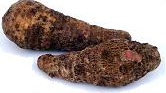
Tiquisque

Ñami

Carambola, or Star Fruit
Raw Zucchini Lasagna
By popular request, here is the “Raw Zucchini Lasagna” recipe, which, while made with raw zucchini instead of pasta, was not a totally raw dish only because the spinach in Costa Rica is too bitter to serve raw. This recipe is based on Russell James’ raw lasagna recipe, the original which can be found on therawchef.com for free when you subscribe his raw food tips. I really respect Russell James – if you are new to raw food I HIGHLY recommend his Raw Chef Academy Homestudy Course – his videos are very professional and well presented, and the recipes are consistently reliable and good. I don’t think anyone out there is educating on raw food as professionally as he is.
Raw Zucchini Lasagna – Serves 10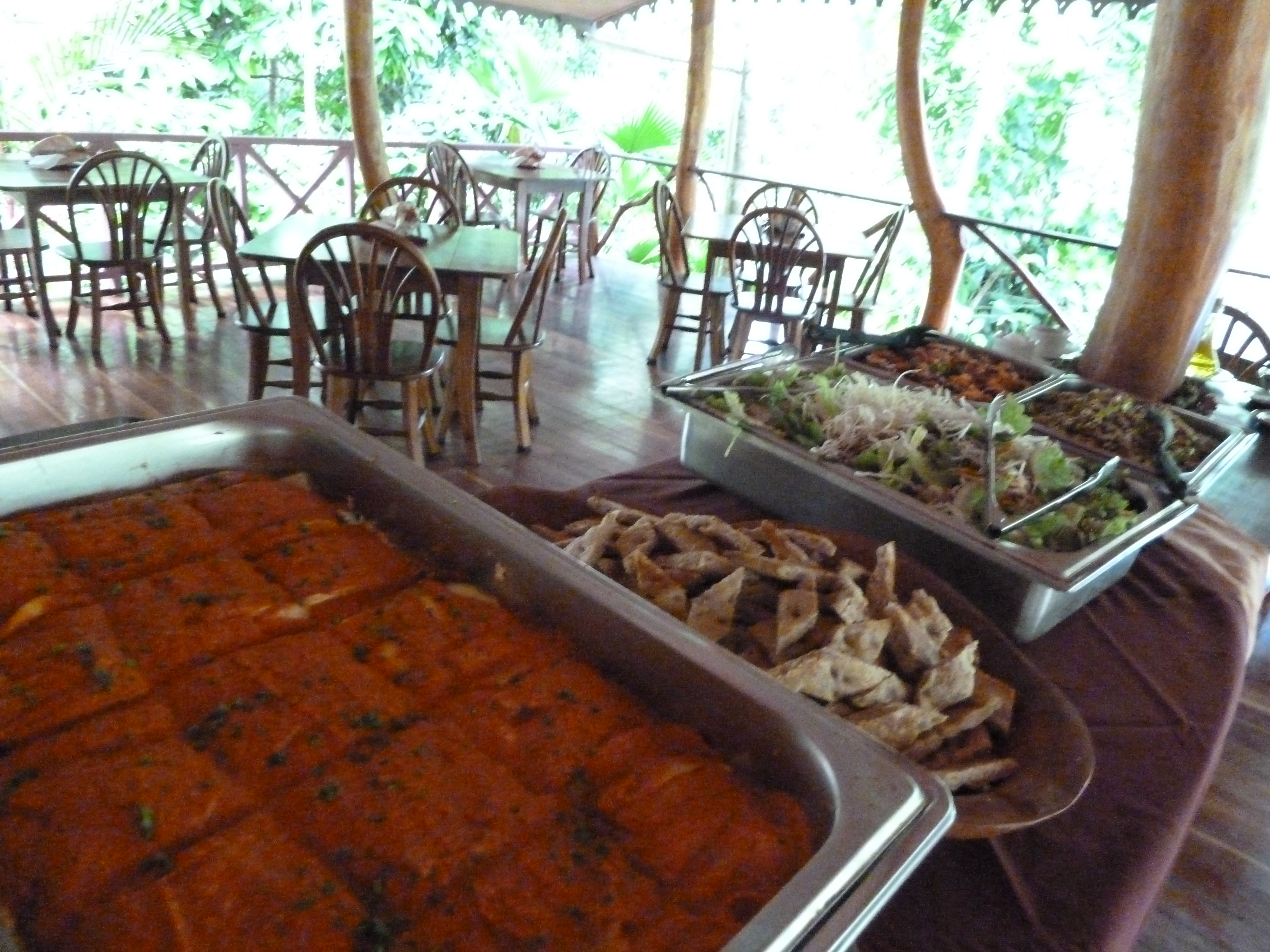
While this recipe has many different components, it is actually very easy to put together and extremely flexible. The nut layer can be made with soaked macadamia nuts or pine nuts instead of cashews, the spinach layer can be made all raw instead of cooked, or be replaced with any other vegetable layer, or eliminated completely. You can leave the mushroom part out of the mushroom nut layer, or do a raw version, or leave the nuts out, or eliminate that whole layer as well and just use the cashew ricotta, pasta and tomato sauce. Get creative with what you have on hand. The lasagna can be made several hours in advance and held, but serve it the same day you make it because it is best fresh.
Raw Zucchini Lasagna “Pasta”
- 10 medium zucchini or goldbar squash, peeled
- 1 t olive oil
- 1/2 t salt
Using a mandolin or Chinese slicer or very sharp knife, carefully slice each peeled zucchini lengthwise into even 1/8 -1/4 inch slices. Only use the fleshy outside of each squash discarding or reserving the seedy core for another recipe. Gently rub salt and oil into all the slices, reserving the nicest, most lasagna-like “noodles” for the top. Let sit while you prepare the remaining fillings, tossing gently with your hands occasionally and letting excess liquid drain off.
Texture Tip: texture is everything here. The reason you peel these and the thickness of the slices all add up to a smooth, lasagna-noodle “mouthfeel”, which I think is the whole trick. You may have to adjust the thickness as you go to get it perfect – I find that thinner slices are nicer, but go too thin and you will lose the body after the squash marinates in the salt a bit. Play with it – you can always bury the ugly ones in the middle!
Cashew “Ricotta” for Lasagna
- 2T lemon juice
- 2T nutritional yeast
- 2 yellow peppers, seeded and chopped
- 2T fresh parsley
- 1T fresh thyme
- 2t salt
- 3 cups cashews, soaked 2 – 4 hours and drained.
- 1⁄2 c water if needed
- ½ c (optional) fresh chopped herbs (rosemary, parsley, thyme, basil)
Blend all in vitamix until smooth and creamy, starting with peppers and adding nuts at the end, and water only if needed. Fresh herbs can be added at the end if using. Set aside, use the (unrinsed) vitamix to make tomato sauce:
Sundried Tomato Sauce
- 11⁄2c sundried tomatoes, soaked for 1 hour or more
- ¼ small onion
- 2c tomato, seeded and chopped
- 4 t agave/honey or 2 soaked dates
- 11⁄2 T dried oregano
- 1t salt or to taste
- ¼ c olive oil
- 2T lemon juice
Process all in a food processor or vitamix until smooth, adjust for salt/sweet depending on how salty your sundried tomatoes are. Set aside while you make your mushroom filling:
Mushroom Nut Filling
- 2 pounds fresh mushrooms
- 4 cloves garlic, minced
- 2 T olive oil
- 1t salt
- 1t black pepper,
- 1T dried sage
- 11⁄2c sunflower seeds soaked 1 hour or more and drained
- 1c sun-dried tomatoes, soaked for 1 hour or more
- 2T dark/brown miso
- 2t dried oregano
- 2t dried sage
- 1T nama shoyu/soy sauce
- 1⁄2t cayenne pepper
- 1T olive oil
- 1T honey/agave nectar
- 1t sea salt
In food processor, chop mushrooms coarsely. Sauté with garlic in 2 T olive oil, salt, pepper and sage, for 5 – 10 minutes until liquid is absorbed and mushrooms are very flavorful. Alternatively, for a truly raw version, spread evenly on dehydrator sheet and dehydrate for 2 – 3 hours until lightly “cooked”.
In food processor, blend nuts and remaining ingredients until combined but slightly chunky still. Combine with mushrooms. Set aside in dehydrator or warm place while you make your spinach filling:
Spinach and Onion Filling
- 2 large onions
- 1 pounds fresh spinach leaves, washed and chopped
- 1 t salt
- 2 T olive oil
Sauté onions in olive oil, salt and pepper until translucent, add spinach and sauté 5 – 10 more minutes until gently cooked. Cool slightly in colander, squeezing lightly to drain excess liquid. Alternatively, to make raw, toss raw spinach with other ingredients and massage gently to soften.
Assembling the Lasagna….
Spread one cup of tomato sauce on the bottom of a large casserole dish, preferably glass. Top with one even layer of zucchini pasta, overlapping each slice slightly. Top with one thick even layer of mushroom filling.
Add a second layer of zucchini (use the ugly ones here and make sure you have enough for one more layer of nice ones for the top. You can skip this layer if you don’t have enough for both.
Top second layer of zucchini with the cashew ricotta, dot with spinach. Top with final top layer of zucchini. Smooth remaining tomato sauce over the top. Cut carefully into 10 -12 pieces with a serrated bread knife and keep warm in dehydrator or low oven until ready to serve.
Not Really Pumpkin Pecan Tart (Raw!)
As promised, here is the raw and still-pretty-rich but much better for you version of the evil Pecan Pumpkin Tart. The “pumpkin custard” which is actually not made with pumpkin at all, is a lightened up version of Matthew Kenney’s Pumpkin Tart with Thyme, found in his cookbook Everyday Raw. This tart requires a couple of days to get all the elements together, but once you have everything it is actually very easy to make and can be done a day in advance. Don’t tell anyone one it is not actually pumpkin, or that it’s raw, until after they have tried it. They will never guess! 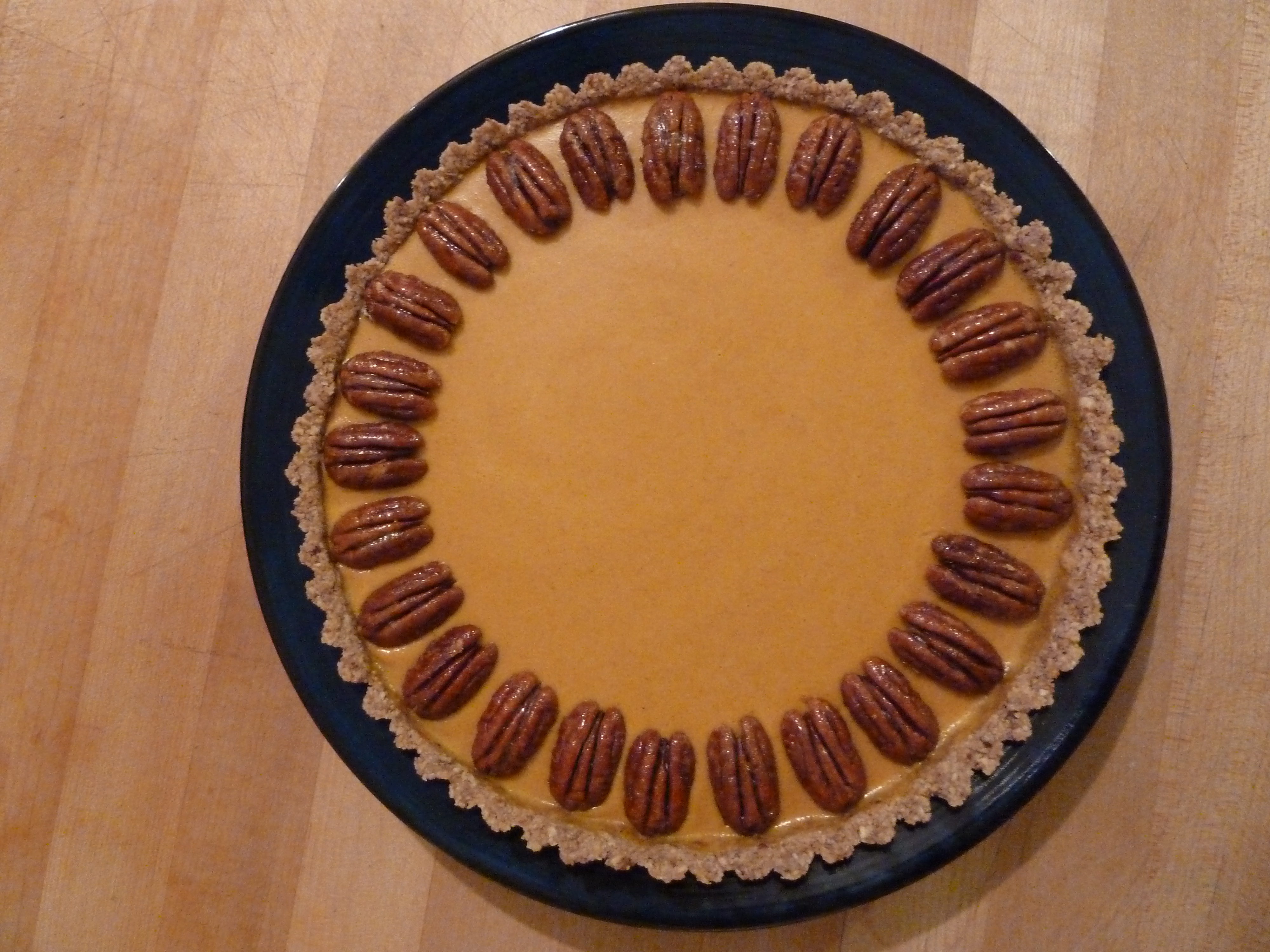
Glazed Pecans
- 2 cups pecan halves (24 nice halves, plus a bit more for snacking)
- 1 T maple syrup
- 1/4 t vanilla extract
- pinch salt, cinnamon, nutmeg
Oat Nut Crumb Crust
- 1 cup oat flour
- 1 cup ground pecans
- 2 T coconut oil
- 2 T coconut crystals
- 1/2 t cinnamon
- 1/4 t nutmeg
- 1/2 t salt
Not Really “Pumpkin” Custard
- 1/2 c cashews, soaked 4 – 6 hours
- 3/4 c carrot juice
- 1/2 c maple syrup
- 1/2 c Irish moss gel (see recipe below. Or substitute 1/4 coconut oil)
- 1/4 c coconut oil
- 1 t vanilla extract
- 1 t cinnamon
- 1/2 t nutmeg
- 1/2 t ginger
- 1/4 t salt
- 1/8 t cloves

Prepare Irish Moss Gel: Rinse 1/2 c dry Irish moss several times, taking care to remove any sand or debris. Soak for 24 hours at room temperature. Rinse one more time (save water for skin care, smoothies, soups or to water plants), top moss with 1/2 to 1 cup fresh water and blend very well (about a minute) in vitamix until completely smooth. Store in refrigerator until ready to use.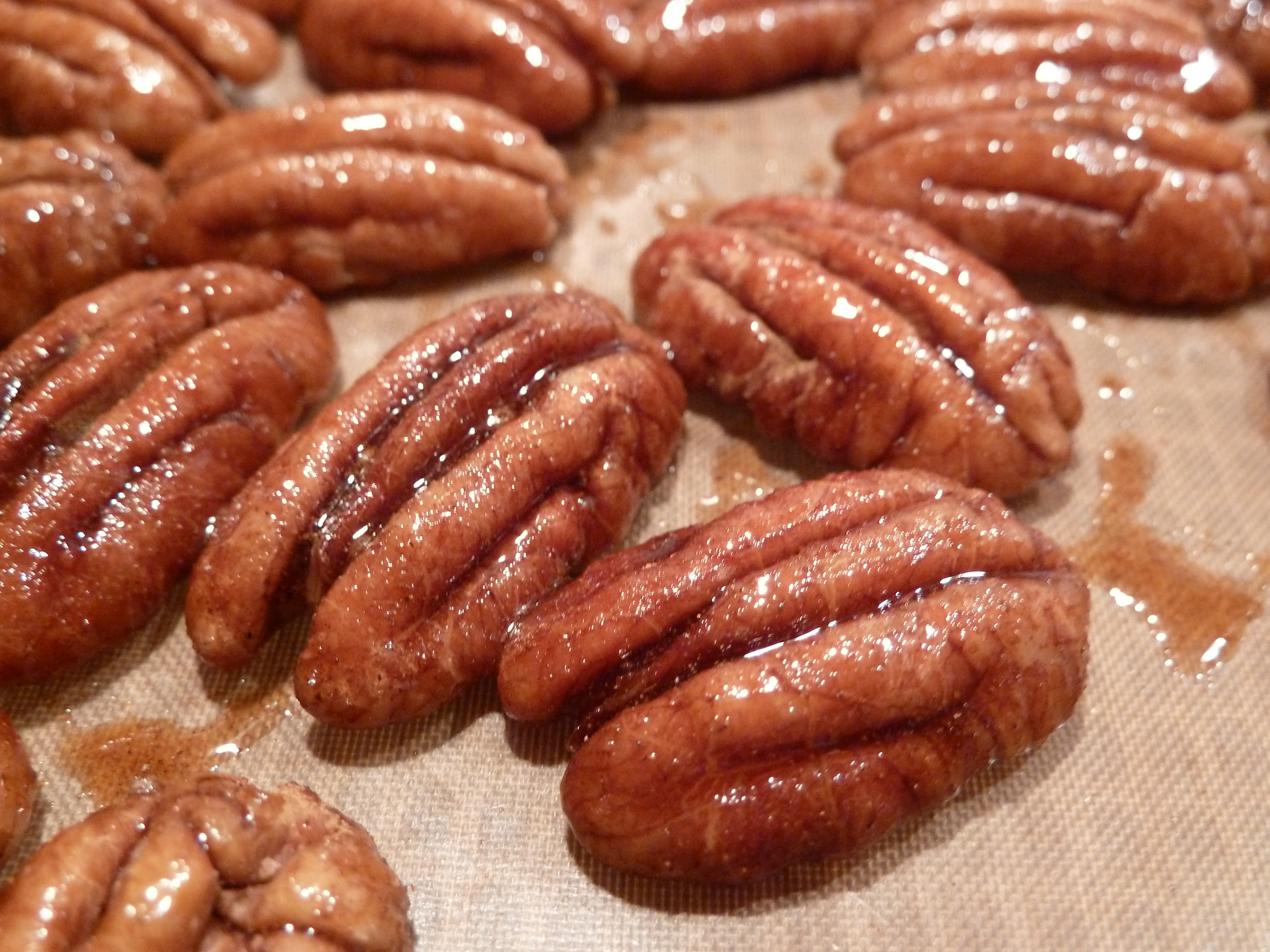
Glaze Pecans: Soak pecans in water for 3 – 6 hours. Drain and toss with a pinch of salt. Dehydrate 8- 12 hours. Toss with maple syrup and spices and a tiny bit of salt. Dehydrate again for 12 hours or until completely dry and crunchy.
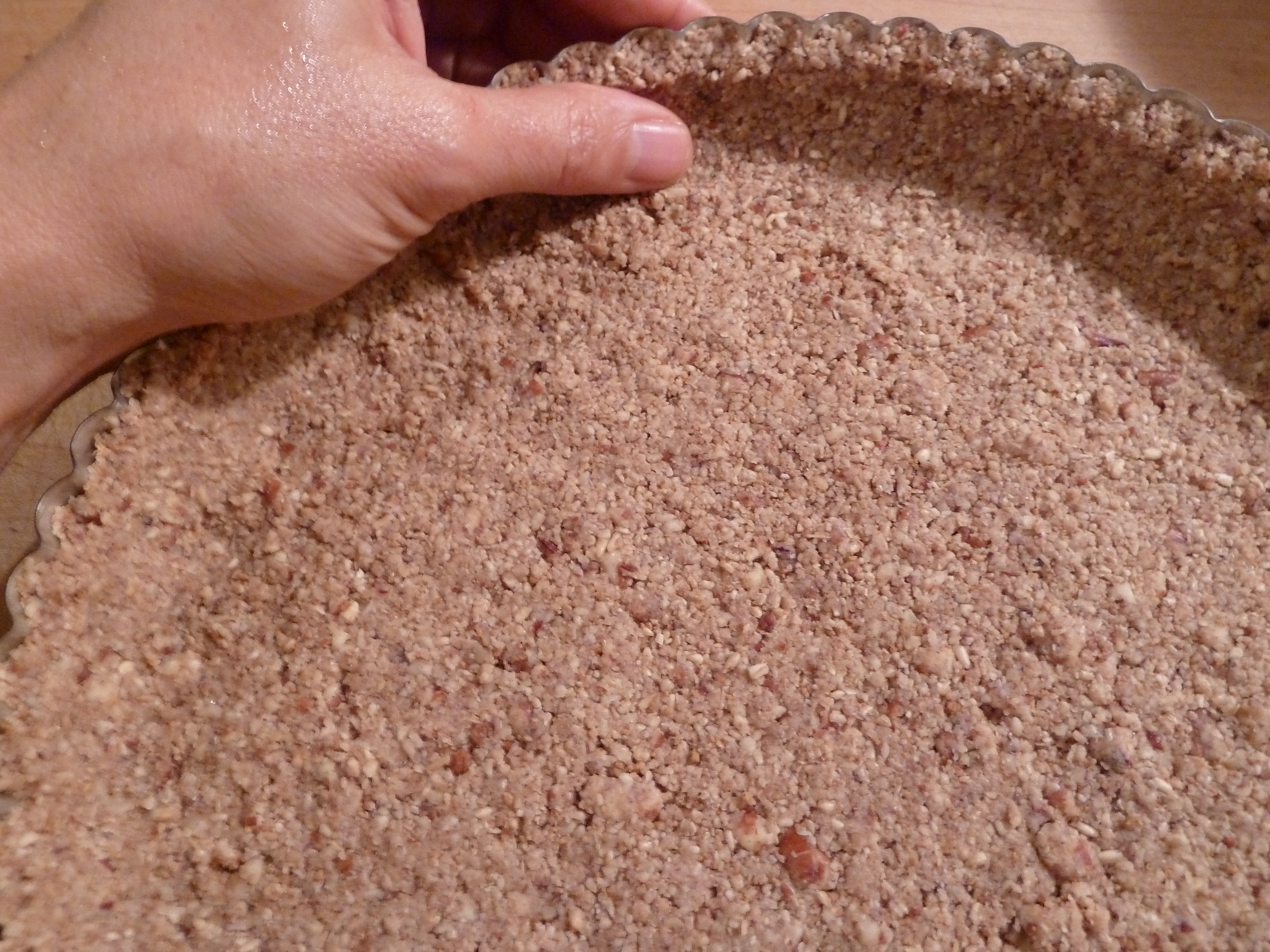
Make Oat Crumb Crust: Combine all ingredients in a bowl and mix well. Pat evenly into 8′ tart pan with removable bottom. Chill well or freeze.
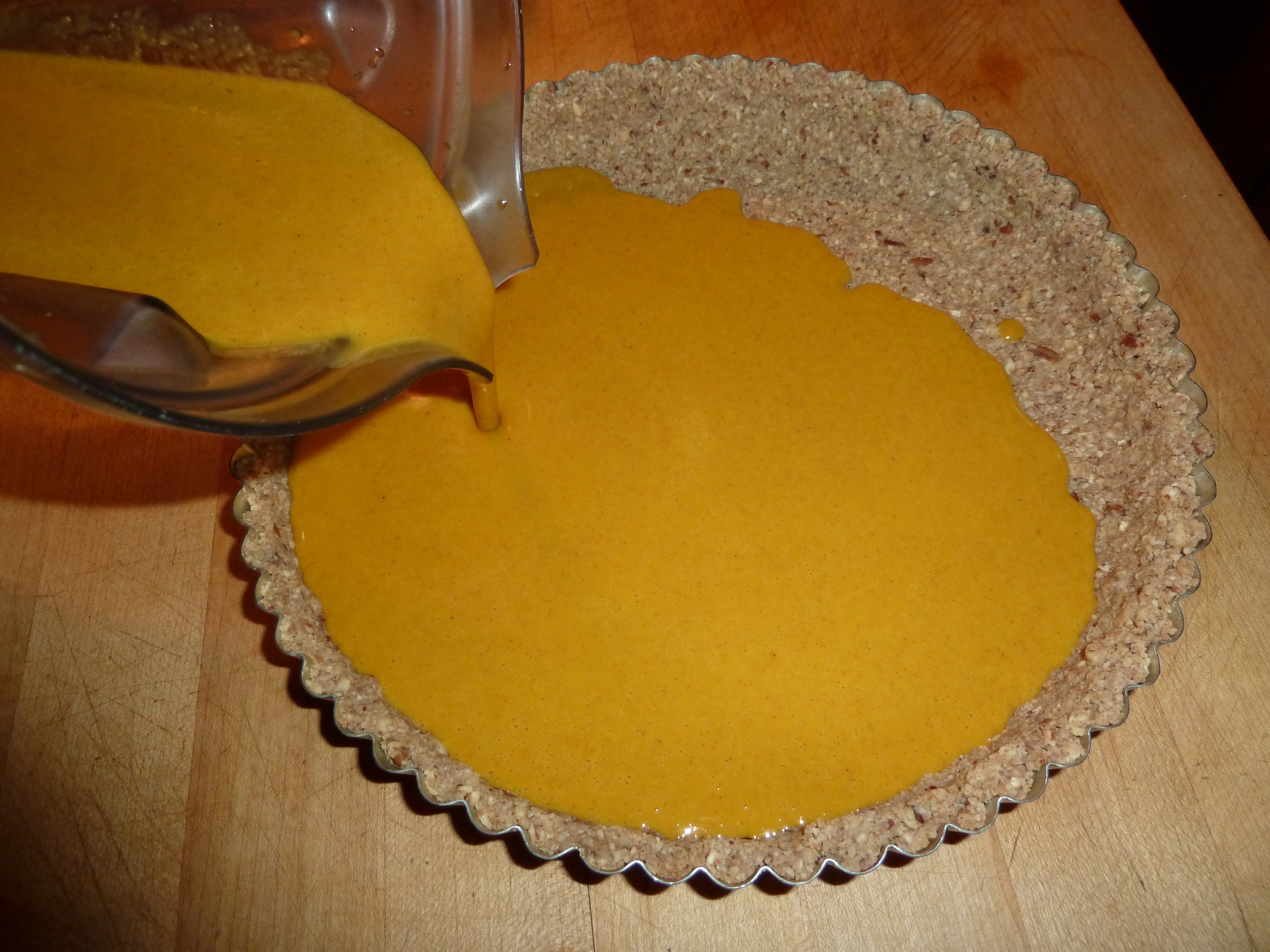
 Prepare the Pumpkin Custard: Blend all ingredients in Vitamix on high until slightly warm and completely smooth. Pour into chilled or frozen tart shell and freeze for 2 hours. Refrigerate for 1 hour more to set consistency.
Decorate with Pecans and Serve.
Note: this recipe can be made without the Irish Moss. Increase coconut oil from 1/4 to 1/2 cup.


Happy Thankgiving Pecan Pumpkin Tart
Ok, I just created a “Evil Butter Recipes” category, in honor of this and all the the other summer gallettes I could not resist posting earlier this year. This is recipe based on one my mom used to make at Thanksgiving and people ask me about it every year. (The truth is, neither her nor I ever made it the same way twice, so feel free to play with it). And… I promise to follow up with a raw and healthier version of this recipe soon!
Pumpkin Filling
- 2 whole eggs
- 1/3 cup maple syrup/agave syrup
- ¼ cup cream/soy milk
- 1 ½ cups pumpkin puree (1 can, or one small sugar pumpkin, baked)
- ½ t ground ginger
- ½ t fresh grated ginger
- 1 t cinnamon
- ½ t vanilla
- ¼ t nutmeg
- pinch salt
Pecan Slime
- 1 whole egg
- 1/2 cup maple syrup
- 1 T melted butter
- ⅓ cup coconut crystals (or Sucanat)
- 2 T bourbon/brandy/dark rum
- ½ t vanilla
- 1 cup pecan halves, toasted lightly
- pinch salt
 1 unbaked pie pastry crust

Preheat oven to 375.
Prepare Crust: Make a Perfect Butter Crust, or use any other pie crust recipe you like. Roll out gently, place in a large (10″) pie plate, tart pan (12″) or quiche dish, trim and flute edges. Chill while you prepare filling.
Make Pumpkin Filling: Combine pumpkin, eggs and spices in large bowl. Add maple syrup and cream. Spoon into crust and smooth top. Combine pumpkin, eggs and spices in large bowl. Add maple syrup and cream. Spoon into crust and smooth top.
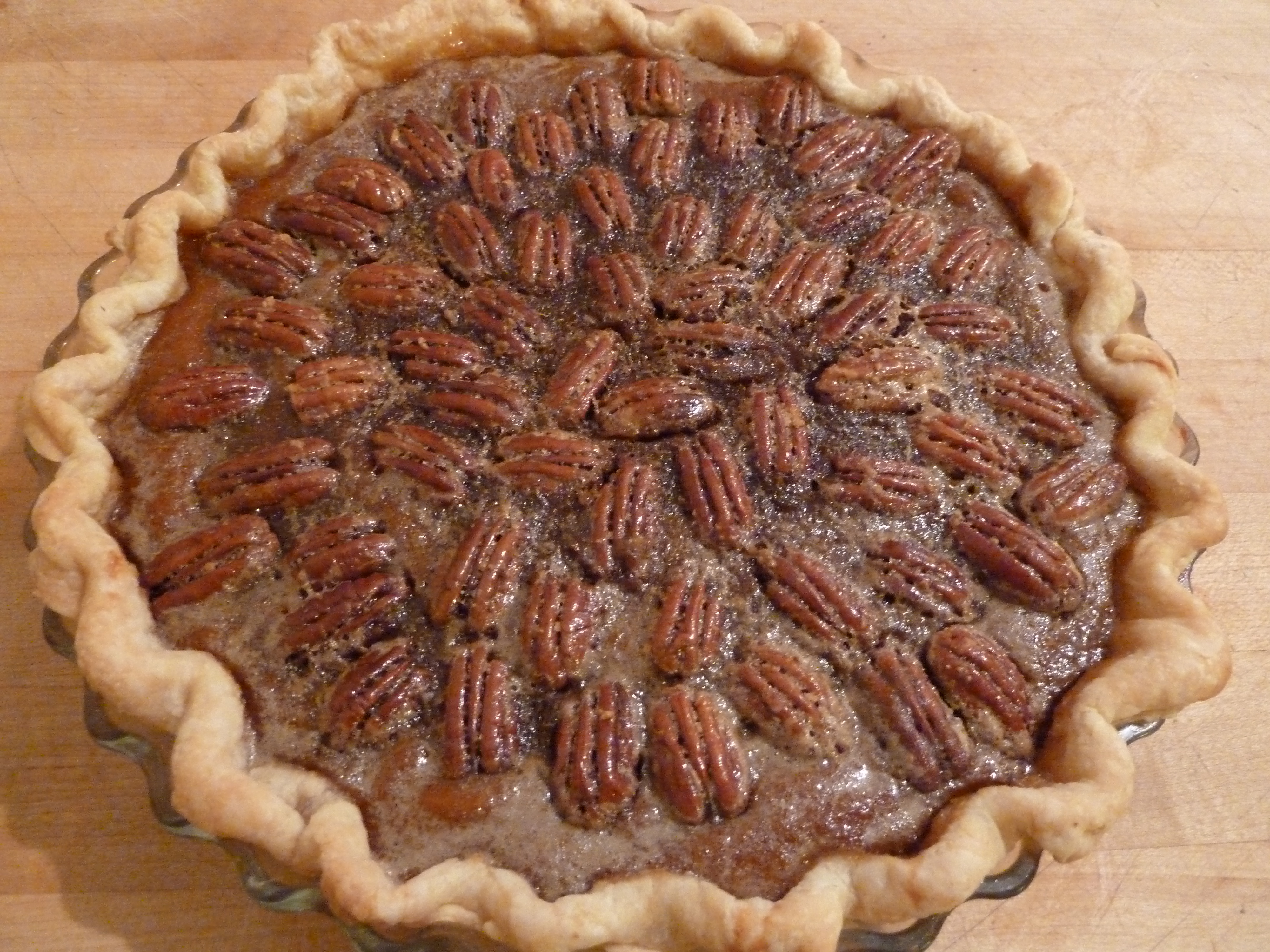
Top with Pecan Slime: Combine syrup, eggs and spices. Add pecans. Carefully spoon liquid over pumpkin filling in shell and then hand place slimy pecan halves on top in a decorative pattern.
Bake: Bake for 10 minutes at 375. Reduce oven to 350 and bake for 35 – 45 minutes. Bring to room temperature before serving or transporting.


Brazil Nut Chia Pudding
This pudding has quickly become a staple in our house – it’s a lot like tapioca pudding and makes a great breakfast, afternoon snack, or dessert. Chia seeds are ridiculously nutritious – they are the richest vegetable source of omega 3 essential oils found on the planet, contain almost twice the protein of any other grain, are packed with vitamins and minerals, and are high in antioxidants. They are also full of fiber and will absorb 8 -12 times their volume in water, making them a great slow burning carbohydrate source, which is great for diabetics. All that, and no need to cook! Who knew?
Chia Pudding
- 4 c. fresh Brazil nut (or almond) milk
- 3 medjool dates (pits removed)
- 3/4 c. black or white chia seeds*
- 2 packets stevia powder (optional)
- 3-4 T. agave syrup, to taste
- seeds from 2 inches of vanilla bean, or 1/2 t vanilla extract
- pinch Himalayan or sea salt
Make nut milk, blending one cup of soaked nuts, to 4 c water, and adding dates before you blend and squeeze through the nut-milk bag. (Alternately, you can use a pre-fab nut milk or coconut milk of your choice, skip the dates, and add a bit more sweetener to taste when you whisk in the seeds).
Add chia and remaining ingredients, whisk well to combine and taste, adjusting for sweetness. I use a little bit of stevia in order to get a subtle base-level sweetness, and then top it with a touch of agave. Let sit for 10 minutes and whisk again. Let rest for at least 20 minutes at room temperature to allow seeds to soften and gel up. Serve at room temp or keep in refrigerator up to a week (it will firm up even more overnight).
Top each serving with with a little sprinkle of coconut sugar, agave or maple syrup and a bit of freshly grated nutmeg. Or, try the chocolate version:
Chocolate Chia Pudding: Add 2 T unsweetened cocoa powder and 3-4 T of agave syrup to the pudding, after the seeds have gelled up. Whisk well and enjoy!
*Not all chia seeds absorb liquid the same, apparently and probably what liquid you use makes a difference too. I use 3/4 cup chia to 6 cups fresh nut milk, but have friends in California who use up to 1 cup chia to 4 cups liquid. Play with it – you can always adjust by adding a couple tablespoons seeds to thicken or a splash more liquid to thin out.
For more information on chia seeds, you can start here:
Chia Seed – The Ancient Food of the Future
You can purchase chia seeds at the chia seeds page at NutsOnline. Or look for them in the bulk herb/spice section of your local health food store/community market.

Black & White Chia Seed Puddings

Squeezing the wild nut...

- Adding Chia…


...!
 Conscious Food Choices